
Artificial Intelligence is no longer a distant concept discussed only in research labs or science fiction movies. It has become an active force shaping how people work, how companies operate, and how entire industries evolve. From automated systems handling repetitive tasks to intelligent tools supporting decision-making, AI is rapidly redefining the future of work.
What makes this transformation unique is its scale and speed. Unlike previous technological revolutions, Artificial Intelligence is influencing nearly every sector at the same time. Office environments, factories, hospitals, schools, and even creative industries are experiencing changes driven by automation, data analysis, and machine learning. Understanding this shift is essential for professionals who want to remain relevant in an increasingly digital labor market.
(You will be redirected to another page)
Rather than eliminating work altogether, AI is changing how work is done, which jobs are in demand, and what skills matter most.
Why Artificial Intelligence Is Advancing So Quickly
Before exploring its impact on jobs, it is important to understand why Artificial Intelligence has developed so rapidly in recent years. Three main factors explain this acceleration.
First, the volume of data available today is unprecedented. Every digital interaction—emails, online purchases, social media activity, sensors, and connected devices—generates data. AI systems learn by analyzing these massive datasets, identifying patterns and improving performance over time.
Second, computing power has become more accessible and affordable. Cloud computing allows companies of all sizes to process complex calculations without investing in expensive infrastructure. This democratization of technology has accelerated AI adoption across industries.
Finally, advances in machine learning and deep learning algorithms have made AI systems more accurate and adaptable. Tasks that once required human judgment can now be performed by intelligent systems with impressive efficiency.
Together, these factors have created the conditions for AI to reshape the future of work at a global level.
Automation and the Changing Nature of Jobs
One of the most visible effects of Artificial Intelligence is automation. Many routine and repetitive tasks are now performed by machines, software, or algorithms. In manufacturing, robots assemble products with speed and precision. In offices, AI-powered tools handle scheduling, data entry, and document analysis. In customer service, chatbots respond to common questions instantly.
This shift often raises concerns about job loss. While it is true that some roles are becoming obsolete, automation does not simply eliminate work—it transforms it.
Jobs that rely heavily on repetition are more likely to disappear, but new roles emerge at the same time. AI systems require development, maintenance, monitoring, and ethical oversight. This creates demand for new professions that did not exist a decade ago.
Instead of focusing on replacement, the future of work is increasingly about collaboration between humans and intelligent systems.
(You will be redirected to another page)
The Rise of New Professions in the AI Era
As Artificial Intelligence expands, the job market is evolving in response. New roles are being created across technology, business, and creative fields.
Some of the fastest-growing AI-related professions include:
Machine learning engineers and AI developers
Data analysts and data scientists
Automation specialists
AI ethics and governance professionals
Cybersecurity experts
Digital transformation consultants
Even traditional professions are changing. Marketers use AI to analyze consumer behavior. Human resources teams rely on AI-driven tools for recruitment and performance analysis. Healthcare professionals use intelligent systems to support diagnosis and treatment planning.
These changes show that AI is not limited to technical careers. It is becoming a tool that enhances productivity in almost every profession.
Skills That Will Matter Most in the Future of Work
As Artificial Intelligence takes over routine tasks, human skills become more valuable. The future job market will prioritize abilities that machines cannot easily replicate.
Critical thinking and problem-solving are among the most important skills. AI can analyze data, but humans are still needed to interpret results, make strategic decisions, and consider ethical implications.
Creativity is another key skill. While AI can generate content, human creativity remains essential for innovation, storytelling, and original ideas. Collaboration and communication are also increasingly important, especially in multidisciplinary and remote teams.
Digital literacy is no longer optional. Professionals must understand how AI tools work, how to use them effectively, and how to adapt to new technologies. Continuous learning will define successful careers in an AI-driven world.
Artificial Intelligence and Productivity in the Workplace
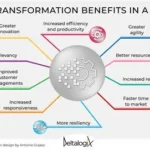
One of the biggest advantages of AI in the workplace is increased productivity. By automating time-consuming tasks, employees can focus on higher-value activities.
AI-powered tools assist with data analysis, forecasting, and project management. This reduces errors and speeds up decision-making. In many cases, teams can achieve better results with fewer resources.
Small businesses benefit as well. AI platforms allow entrepreneurs to compete with larger companies by providing access to advanced tools for marketing, finance, and operations.
Rather than working longer hours, professionals can work smarter by leveraging intelligent systems as productivity partners.
(You will be redirected to another page)
Remote Work, Flexibility, and AI Tools
The rise of remote and hybrid work models is closely connected to advances in Artificial Intelligence. Collaboration platforms use AI to schedule meetings, transcribe conversations, and manage workflows across time zones.
Virtual assistants help employees organize tasks and prioritize work. Performance analytics provide insights into team efficiency without relying on constant supervision.
This combination of AI and remote work is reshaping workplace culture. Flexibility, autonomy, and results-oriented performance are becoming more important than traditional office routines.
Challenges and Concerns About AI in the Job Market
Despite its benefits, Artificial Intelligence also presents challenges. Job displacement remains a real concern, especially for workers in roles highly susceptible to automation.
There are also ethical issues related to data privacy, algorithmic bias, and transparency. AI systems can reflect biases present in the data they are trained on, leading to unfair outcomes in hiring or evaluation processes.
To address these risks, companies and governments must invest in reskilling programs, ethical guidelines, and responsible AI development. Preparing the workforce for change is just as important as adopting new technologies.
How Professionals Can Prepare for the AI-Driven Future
Adapting to the future of work requires a proactive mindset. Learning new skills, staying informed about technological trends, and embracing lifelong education are essential strategies.
Professionals should focus on building complementary skills that enhance AI rather than compete with it. Understanding how to work alongside intelligent systems will open more opportunities than resisting change.
Flexibility, curiosity, and adaptability will define successful careers in the coming years.
Final Thoughts: Artificial Intelligence as a Catalyst for Change
Artificial Intelligence is not simply changing jobs—it is redefining the meaning of work itself. Automation, new professions, and evolving skill requirements are shaping a labor market that values adaptability and innovation.
While challenges exist, the future of work powered by AI offers significant opportunities for growth, productivity, and professional development. Those who understand these changes and prepare accordingly will be better positioned to thrive.
The future of work is already being written. Artificial Intelligence is the tool—but humans remain the driving force behind meaningful progress.
 Keep an eye on this