Breaking into the tech industry can feel intimidating, especially if you have no prior experience, no technical degree, and no professional background in IT. Many beginners assume that technology careers are only for programmers who started coding as teenagers or people with computer science diplomas. The truth is very different.
The tech industry is one of the most accessible and opportunity-rich fields in the world today. Thousands of professionals successfully transition into tech every year from completely unrelated careers. What matters most is not where you start, but how you approach learning and skill-building.
(You will be redirected to another page)
If you’re wondering how to start a career in tech with no experience, this step-by-step beginner roadmap will guide you through the process clearly and practically.
Step 1: Understand What “Tech” Really Means
One of the biggest mistakes beginners make is thinking tech only means coding. In reality, the technology industry includes many different roles beyond software development.
You can work in cybersecurity, data analysis, cloud computing, IT support, UX/UI design, digital marketing, technical writing, product management, and more. Some roles are highly technical, while others require communication, organization, or creative skills.
Before choosing a path, explore different tech career options. Research job descriptions, required skills, and daily responsibilities. Understanding the landscape helps you make an informed decision instead of following trends blindly.
Clarity at the beginning saves time later.
Step 2: Choose a Beginner-Friendly Path
When starting with no experience, it’s important to choose a role that has accessible entry points. Some beginner-friendly tech careers include:
IT Support or Help Desk
Junior Web Developer
QA Tester
Data Analyst (entry-level)
Cybersecurity Analyst (junior level)
Digital Marketing Specialist
Each of these roles has learning paths that can be followed through self-study, online courses, or bootcamps.
Pick one area that matches your interests and strengths. If you enjoy problem-solving and systems, IT support may be ideal. If you like logic and building things, development might be better. If you prefer analyzing patterns, data could be a good fit.
Focus on one direction to avoid overwhelm.
(You will be redirected to another page)
Step 3: Learn the Core Fundamentals
Once you choose a path, start learning the fundamentals. You don’t need to master everything immediately. Focus on foundational knowledge first.
For example, if you choose web development, begin with HTML, CSS, and basic JavaScript. If you choose IT support, learn about operating systems, networking basics, and troubleshooting. If you’re interested in data analysis, start with Excel, SQL, and basic statistics.
Use structured learning platforms, free resources, YouTube tutorials, and documentation. Consistency is more important than speed.
Study regularly, even if it’s just one or two hours per day.
Small daily progress compounds quickly.
Step 4: Build Practical Projects
Learning theory is not enough. Employers want proof that you can apply what you know. This is where projects become essential.
If you’re learning web development, build simple websites. If you’re studying data analysis, analyze public datasets and create dashboards. If you’re pursuing cybersecurity, practice in lab environments.
Projects don’t need to be perfect. They just need to demonstrate problem-solving skills.
Document your work clearly. Explain what you built, why you built it, and what challenges you solved.
Projects transform “no experience” into demonstrable skills.
Step 5: Create a Portfolio
A portfolio is your proof of ability. Even if you’ve never had a tech job, your projects count as experience.
Create a simple online portfolio that includes:
Your background and career goal
Projects you built
Technologies you used
What you learned
If you are not applying for a development role, you can still create a portfolio using case studies or documented problem-solving examples.
Your portfolio shows initiative, discipline, and commitment — qualities employers value highly.
In many cases, a strong portfolio matters more than a degree.
Step 6: Gain Real-World Practice
If possible, look for internships, freelance gigs, volunteer work, or entry-level contracts. Real-world exposure accelerates learning.
You can help small businesses improve websites, analyze data for local organizations, or assist with IT troubleshooting. Even unpaid short-term projects can build credibility early on.
Freelancing platforms and open-source projects also offer opportunities to gain experience.
The goal is to move from practice exercises to solving real problems.
Experience builds confidence and employability.
(You will be redirected to another page)
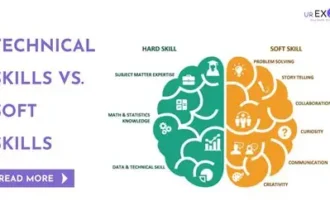
Step 7: Develop Essential Soft Skills
Tech careers are not only about technical knowledge. Communication, teamwork, and problem-solving are equally important.
Learn how to explain technical concepts clearly. Practice writing professional emails and documentation. Improve your ability to collaborate in online environments.
Employers often choose candidates who can communicate well over those who only have technical skills.
Strong soft skills differentiate beginners in competitive markets.
Technical skills get you interviews. Soft skills get you hired.
Step 8: Optimize Your Resume and LinkedIn
When applying for tech jobs with no experience, your resume must highlight transferable skills and projects.
Focus on:
Relevant technical skills
Completed projects
Certifications or courses
Problem-solving achievements
If you’re transitioning from another career, emphasize transferable strengths like customer service, leadership, organization, or analytical thinking.
On LinkedIn, share your learning journey. Post about projects you’re building or concepts you’re studying. This demonstrates motivation and growth.
Position yourself as a beginner who is actively progressing.
Step 9: Apply Strategically
Don’t wait until you feel “100% ready.” Many job descriptions list more requirements than necessary. Apply when you meet around 60–70% of the qualifications.
Look for:
Junior roles
Entry-level positions
Internships
Apprenticeships
Remote beginner opportunities
Customize your resume for each application. Show how your skills match the company’s needs.
Rejections are normal in tech. Persistence is part of the process.
Consistency beats perfection.
Step 10: Keep Learning Continuously
The tech industry evolves constantly. Even after landing your first job, learning must continue.
Follow industry news, practice new tools, and improve existing skills. Consider certifications relevant to your field once you gain some experience.
Growth mindset is essential in technology careers.
Those who continue learning stay competitive and advance faster.
Starting is just the beginning.
Common Mistakes to Avoid
Many beginners try to learn everything at once. This leads to burnout and confusion. Focus on one path and build depth before switching.
Another mistake is consuming endless tutorials without building projects. Passive learning creates false confidence.
Some people also delay applying for jobs because they don’t feel ready. Waiting too long slows momentum.
Progress comes from action, not perfection.
Avoid comparison with others. Everyone’s timeline is different.
Final Thoughts
Starting a career in tech with no experience may seem challenging, but it is entirely possible with the right approach. The key steps are choosing a direction, learning fundamentals, building projects, creating a portfolio, gaining practical experience, and applying consistently.
You do not need a computer science degree or years of experience to begin. What you need is focus, discipline, and a willingness to learn.
The tech industry rewards problem-solvers and self-starters. If you commit to steady progress and continuous improvement, you can build a successful career from zero.
Every expert in technology started as a beginner. Your roadmap begins with the first step.
 Keep an eye on this