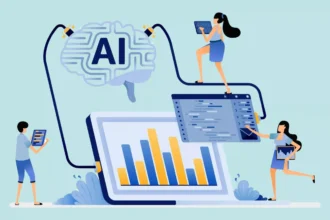

Artificial Intelligence is rapidly transforming education, reshaping how students learn, how teachers teach, and how educational institutions operate in an increasingly digital world. As technology becomes deeply integrated into everyday life, AI is emerging as a powerful tool capable of personalizing learning experiences, improving accessibility, and preparing students for academic and professional challenges ahead. From intelligent tutoring systems to advanced learning analytics, AI is redefining the educational landscape in practical and scalable ways.
(You will be redirected to another page)
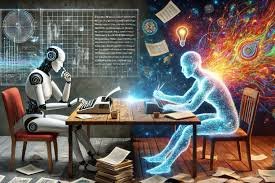
Rather than replacing educators, Artificial Intelligence enhances the educational experience by supporting smarter, more flexible, and more inclusive learning environments. Teachers are empowered with tools that reduce repetitive tasks, improve classroom engagement, and provide meaningful insights into student performance. At the same time, students benefit from adaptive content and personalized support, creating a balanced ecosystem where human expertise and intelligent systems work together to improve learning outcomes.
The Evolution of Education Through Artificial Intelligence Technologies
For decades, traditional education followed standardized models that treated all students equally, regardless of learning styles or individual needs. However, this approach often failed to address differences in pace, comprehension, and engagement. Artificial Intelligence introduces a new paradigm by allowing education systems to adapt dynamically to each learner.
AI-powered platforms collect and analyze data such as assessment results, interaction patterns, and learning behavior. Based on these insights, systems can adjust content difficulty, recommend resources, and personalize learning journeys. This shift marks a transition from rigid instruction to responsive and learner-centered education.
Personalized Learning Systems and Adaptive Educational Experiences
One of the most impactful applications of Artificial Intelligence in education is personalized learning. Instead of following a fixed curriculum, students can now experience customized educational paths aligned with their strengths and weaknesses.
When a learner struggles with a concept, AI systems can offer additional explanations, alternative materials, or targeted exercises. Conversely, students who demonstrate mastery can move ahead without unnecessary repetition. This adaptability reduces frustration, increases motivation, and encourages continuous progress.
Personalized learning also supports long-term knowledge retention by aligning instruction with how each student learns best.
(You will be redirected to another page)
How Artificial Intelligence Supports Teachers and Improves Instruction
Artificial Intelligence is transforming the role of educators by acting as a support system rather than a replacement. Teachers often face heavy workloads due to administrative responsibilities, assessments, and reporting requirements. AI tools automate tasks such as grading, attendance tracking, and performance analysis.
By reducing time spent on routine work, teachers can focus on creative instruction, mentoring, and individual student support. AI-driven dashboards also help educators identify learning gaps early, allowing for timely intervention and more effective teaching strategies.
Expanding Accessibility and Inclusion Through AI in Education
Artificial Intelligence plays a crucial role in making education more accessible and inclusive. Students with disabilities, learning difficulties, or language barriers can benefit significantly from AI-powered tools.
Speech recognition, text-to-speech systems, real-time translation, and adaptive interfaces help remove obstacles to learning. These technologies ensure that more students can participate fully in educational environments, regardless of physical, cognitive, or linguistic challenges.
Inclusive education supported by AI promotes equity and helps close educational gaps worldwide.
Artificial Intelligence in Online Learning and Digital Education Platforms
The growth of online education has accelerated the adoption of Artificial Intelligence. Digital learning platforms rely on AI to enhance user experience, recommend relevant courses, and monitor student progress.
AI-driven systems provide instant feedback, suggest learning materials, and adapt lesson structures based on engagement levels. This makes online learning more interactive and effective, especially for self-directed learners.
As remote education continues to expand, AI ensures that quality learning is accessible beyond traditional classrooms.
(You will be redirected to another page)
Preparing Students for Future Careers in an AI-Driven Economy
As Artificial Intelligence reshapes industries, education systems must evolve to prepare students for future job markets. AI not only influences how students learn but also defines which skills are most valuable.
Critical thinking, creativity, adaptability, digital literacy, and problem-solving are becoming essential competencies. AI-supported education emphasizes these skills through project-based learning, simulations, and real-world problem solving.
Students who understand how to work alongside AI technologies will be better positioned to succeed in modern and future workplaces.
Data-Driven Decision Making in Educational Institutions
Educational institutions generate vast amounts of data related to student performance, engagement, and outcomes. Artificial Intelligence transforms this data into actionable insights.
Schools and universities can use AI to improve curriculum planning, allocate resources efficiently, and enhance student retention. Predictive analytics also help identify students at risk, enabling proactive support strategies.
When used responsibly, data-driven decision-making improves institutional effectiveness and educational quality.
Ethical Challenges and Responsible Use of AI in Education
Despite its benefits, Artificial Intelligence in education raises ethical concerns. Data privacy, transparency, and algorithmic bias must be addressed carefully.
Institutions must ensure that student data is protected and used ethically. Clear policies and human oversight are essential to prevent misuse and ensure fairness. Responsible AI adoption ensures that technology enhances education without compromising trust or equality.
The Future of Learning in an Artificial Intelligence-Powered World
Looking ahead, Artificial Intelligence will continue to shape the future of education by creating more adaptive, efficient, and student-centered learning environments. However, human connection, empathy, and guidance will remain irreplaceable.
The most successful educational models will integrate AI as a supportive tool while preserving the essential role of educators. This balanced approach ensures innovation without losing the human element of learning.
Final Thoughts: Artificial Intelligence as a Partner in Education
Artificial Intelligence is redefining education by making learning more personalized, accessible, and aligned with the demands of a digital society. From supporting teachers to empowering students, AI offers practical solutions that improve educational outcomes worldwide.
When implemented ethically and strategically, Artificial Intelligence becomes a powerful partner in building a more inclusive, effective, and future-ready education system.
 Keep an eye on this