
Breaking into the technology industry can feel challenging, especially for students and beginners who lack professional experience. Many job postings ask for practical knowledge, even for entry-level roles. This creates a common question: how can you gain experience if no one hires you without experience?
Internships and apprenticeships are powerful solutions to this problem. They provide structured, real-world exposure to the tech industry while allowing beginners to learn, contribute, and grow professionally. For many successful professionals, these programs serve as the launchpad for long-term careers.
(You will be redirected to another page)
In this guide, you will learn how internships and apprenticeships work, why they matter, and how they can accelerate your path into the technology field.
What Are Tech Internships?
A tech internship is a temporary work experience program offered by companies to students or early-career professionals. Internships typically last a few months and may be part-time or full-time.
Interns work alongside experienced professionals, contributing to real projects while learning industry practices. They may assist with coding, data analysis, cybersecurity monitoring, testing, documentation, or technical support.
Some internships are paid, while others offer academic credit or stipends. In many cases, internships serve as a pipeline for full-time employment after graduation.
Internships provide a first step into professional environments.
What Are Tech Apprenticeships?
Apprenticeships are structured training programs that combine paid work with guided learning. Unlike short-term internships, apprenticeships often last one to two years and focus heavily on skill development.
Apprentices are employees from the start. They receive mentorship, complete practical tasks, and gradually take on more responsibility as their skills improve.
Tech apprenticeships are increasingly popular in areas such as software development, cybersecurity, IT support, and cloud computing. Many companies use apprenticeship programs to develop talent internally.
Apprenticeships emphasize long-term growth and job readiness.
(You will be redirected to another page)
Why Practical Experience Matters in Tech
Technology is a hands-on field. Employers want professionals who can apply knowledge to real-world problems, not just understand theory.
Internships and apprenticeships expose participants to:
• Real business systems
• Professional workflows
• Collaboration tools
• Team communication
• Deadlines and project management
This experience builds confidence and competence. It also demonstrates to future employers that you can function in a professional setting.
Practical experience transforms learning into capability.
Building Technical Skills Through Real Projects
One of the biggest benefits of internships and apprenticeships is working on real projects. Instead of practicing on tutorials alone, you contribute to live systems, applications, or data environments.
For example, a software intern may help develop a feature for a company website. A cybersecurity apprentice might assist in monitoring network alerts. A data intern could analyze customer behavior patterns.
These experiences strengthen technical understanding because you see how tools and frameworks are applied in business contexts.
Learning becomes meaningful when tied to real outcomes.
Developing Professional Soft Skills
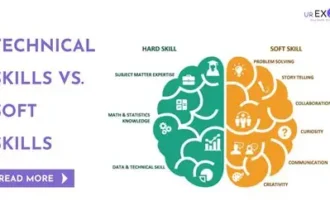
Technical knowledge alone is not enough for long-term success in tech careers. Internships and apprenticeships also help you develop essential soft skills.
You learn how to communicate technical ideas clearly, collaborate in teams, and respond to feedback professionally. You gain experience attending meetings, writing documentation, and managing tasks.
Time management and accountability improve naturally in structured work environments.
These soft skills often make the difference between average and outstanding professionals.
Expanding Your Professional Network
Networking is a powerful advantage in technology careers. Internships and apprenticeships allow you to build relationships with managers, mentors, and colleagues.
These connections can lead to job recommendations, references, or future opportunities. Even if you don’t stay at the same company, maintaining professional relationships can benefit your career.
Being known as reliable, motivated, and capable increases your visibility in the industry.
Your network can open doors you didn’t expect.
Increasing Your Chances of Full-Time Employment
Many companies use internships and apprenticeships as talent pipelines. When organizations invest time and resources into training someone, they often prefer to hire that person permanently.
Interns and apprentices already understand company systems, culture, and expectations. This reduces onboarding time and hiring risk.
Performing well during your program can lead directly to a job offer.
Even if you are not hired immediately, the experience strengthens your resume significantly.
(You will be redirected to another page)
Reducing the “No Experience” Barrier
One of the most frustrating challenges for beginners is the requirement for prior experience. Internships and apprenticeships solve this problem.
Once you complete a structured program, you can confidently list professional experience on your resume. Instead of saying you are a beginner, you can describe projects you contributed to and technologies you used.
This shift from theoretical learner to practical contributor changes how employers view you.
Experience builds credibility.
Learning Industry Tools and Workflows
Academic courses and self-study programs often focus on technical theory. In contrast, internships and apprenticeships expose you to real industry tools.
You may learn how to use version control systems like Git, project management platforms such as Jira, or cloud services like AWS or Azure. You also gain familiarity with agile development processes and security standards.
Understanding professional workflows prepares you for future roles more effectively than isolated practice.
Exposure to real environments accelerates career readiness.
Gaining Clarity About Your Career Path
Sometimes beginners enter tech without knowing which specialization suits them best. Internships and apprenticeships help clarify career direction.
Working in a specific role reveals whether you enjoy coding, analyzing data, managing infrastructure, or solving security challenges.
You may discover strengths you didn’t realize you had or interests that guide future specialization.
Hands-on exposure brings clarity and confidence.
How to Find Tech Internships and Apprenticeships
Finding opportunities requires proactive effort. Start by checking company career pages, especially technology firms and startups. Many organizations announce internship cycles in advance.
University career centers often provide internship listings and employer connections. Online job boards and professional networking platforms also feature apprenticeship programs.
Networking with professionals and attending tech events can uncover opportunities that are not widely advertised.
Preparation and persistence are key.
How to Succeed in an Internship or Apprenticeship
Once you secure a position, focus on maximizing the experience. Show initiative by asking questions and volunteering for tasks. Seek feedback regularly to improve performance.
Be reliable and professional in communication. Meet deadlines and document your work carefully.
Treat the opportunity as a long-term investment in your career rather than a temporary assignment.
Performance during the program can shape your professional future.
Internships vs Apprenticeships: Which Is Better?
Both options offer strong career advantages, but they serve slightly different purposes.
Internships are typically shorter and often suited for students or recent graduates. They provide exposure and initial experience.
Apprenticeships are longer and more structured, often including mentorship and formal training components. They may be ideal for career changers or those seeking deeper skill development.
Choosing between them depends on your current stage and career goals.
Both pathways can successfully launch a tech career.
Final Thoughts
Internships and apprenticeships play a crucial role in launching technology careers. They provide practical experience, build technical and soft skills, expand professional networks, and increase employability.
For beginners, these programs reduce the barrier of “no experience” and transform theoretical knowledge into real-world capability. For companies, they create a pipeline of trained and motivated talent.
If you are serious about entering the tech industry, pursuing an internship or apprenticeship can be one of the most strategic decisions you make.
In a competitive field like technology, experience matters — and these programs are powerful stepping stones toward long-term success.
 Keep an eye on this