The technology industry evolves faster than almost any other field. Programming languages rise and fall in popularity. Frameworks get replaced. Security threats evolve. Cloud platforms introduce new services constantly. What was cutting-edge five years ago may already feel outdated today.
Because of this rapid change, long-term success in tech depends on one essential skill: continuous learning. Staying relevant is not about chasing every new trend. It’s about building a system that allows you to grow consistently, adapt strategically, and maintain professional value over time.
(You will be redirected to another page)
This guide explains how to stay relevant in tech through practical, sustainable learning strategies.
Why Continuous Learning Is Essential in Technology
Unlike many industries where foundational skills remain stable for decades, technology shifts continuously. Automation, artificial intelligence, cybersecurity risks, and new development practices reshape job roles regularly.
Professionals who stop learning risk becoming outdated. On the other hand, those who embrace continuous growth often experience:
• Greater job security
• Higher salary potential
• Faster promotions
• Increased freelance opportunities
• Stronger professional confidence
In tech, learning is not optional — it is part of the job.
Focus on Fundamentals First
One of the biggest mistakes professionals make is constantly jumping to new tools without mastering core fundamentals.
Strong foundations include:
• Programming logic and data structures
• Networking basics
• Operating system concepts
• Security principles
• Cloud fundamentals
• Database design
Technologies may change, but core concepts remain stable. When your foundation is strong, learning new tools becomes significantly easier.
Depth in fundamentals creates long-term stability.
(You will be redirected to another page)
Follow a Structured Learning Plan
Continuous learning does not mean randomly consuming content. Without structure, it is easy to feel overwhelmed.
Create a learning roadmap that includes:
• Short-term goals (3–6 months)
• Medium-term goals (1 year)
• Skills aligned with your specialization
• Market-relevant technologies
For example, a cloud engineer might plan to learn advanced automation tools over six months, then pursue a certification within a year.
Clarity prevents distraction.
Learn Through Real Projects
Passive learning has limits. Watching tutorials or reading articles helps, but real growth happens when you apply knowledge.
Build personal projects that simulate real-world scenarios. Contribute to open-source repositories. Volunteer for challenging tasks at work. Offer freelance services to small businesses.
Projects help you:
• Practice problem-solving
• Encounter real obstacles
• Strengthen debugging skills
• Build a portfolio
Application transforms knowledge into competence.
Stay Updated with Industry Trends
While fundamentals are crucial, awareness of industry trends keeps you competitive.
Follow:
• Technology blogs
• Industry newsletters
• Developer communities
• Professional networking platforms
• Conference talks and webinars
However, avoid the trap of chasing every new trend. Evaluate whether emerging technologies align with your career path before investing significant time.
Selective adaptation is more powerful than constant switching.
Invest in Certifications Strategically
Certifications can help structure your learning and validate your knowledge. They are particularly useful in areas like cloud computing, cybersecurity, networking, and project management.
However, certifications should support your career direction, not distract from it. Choose credentials that:
• Align with your specialization
• Increase employability
• Strengthen your resume
• Offer measurable career benefits
Certifications are tools, not goals in themselves.
Build a Learning Routine
Consistency is more effective than intensity. Instead of studying aggressively for a short period and then stopping, build a sustainable routine.
Examples include:
• 30–60 minutes of focused study daily
• One technical article per day
• One small project per month
• Quarterly skill upgrades
Small, consistent efforts compound over time.
Long-term relevance is built through steady progress.
(You will be redirected to another page)
Strengthen Both Technical and Soft Skills
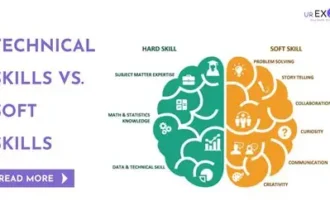
Many professionals focus only on technical growth. However, soft skills significantly influence long-term career success.
Important non-technical skills include:
• Communication
• Leadership
• Time management
• Critical thinking
• Adaptability
As you gain experience, career growth often depends on your ability to collaborate, explain ideas clearly, and manage complex projects.
Balanced professionals remain competitive longer.
Engage with Professional Communities
Learning in isolation can slow progress. Engaging with other professionals accelerates growth.
Join:
• Online forums
• Developer communities
• Local tech meetups
• Open-source projects
• Industry-specific groups
Communities expose you to new perspectives, real-world challenges, and emerging solutions.
Networking also creates opportunities for mentorship and career advancement.
Embrace Adaptability
Technology careers are rarely linear. You may start as a developer and transition into cloud engineering. You might begin in IT support and move into cybersecurity.
Adaptability is a competitive advantage. Instead of fearing change, treat it as an opportunity to expand your skill set.
Professionals who embrace change remain valuable even when industries shift.
Flexibility protects long-term career stability.
Avoid Burnout While Learning
Continuous learning should be sustainable, not exhausting. Trying to master everything at once leads to burnout.
Set realistic expectations. Take breaks. Focus on quality rather than quantity. Celebrate progress, even small improvements.
Learning is a marathon, not a sprint.
Sustainable growth outperforms short bursts of intensity.
Reassess Your Skills Regularly
At least once a year, evaluate your skill set honestly. Ask yourself:
• Are my skills aligned with market demand?
• Have I improved meaningfully this year?
• What gaps exist in my knowledge?
• What emerging trends affect my field?
Self-assessment keeps your development intentional.
Clarity ensures direction.
Build a Long-Term Career Vision
Staying relevant becomes easier when you know where you are heading. Define your long-term goal:
• Do you want to become a technical specialist?
• A solutions architect?
• A product leader?
• A cybersecurity expert?
• A tech entrepreneur?
Your vision determines which skills deserve your focus.
Direction transforms learning into strategy.
Final Thoughts
In the technology industry, staying relevant is not about knowing everything. It is about building the habit of continuous improvement.
Strong fundamentals, structured learning plans, real-world practice, strategic certifications, and consistent routines create long-term career resilience. Combined with adaptability and strong communication skills, these strategies ensure you remain competitive even as technology evolves.
The professionals who thrive in tech are not necessarily the smartest — they are the most adaptable and committed to growth.
Continuous learning is not just a strategy for success in tech. It is the foundation of it.
 Keep an eye on this