
Changing careers can feel overwhelming, especially when moving into an industry as dynamic and fast-paced as technology. Many professionals worry that they are too late, lack technical experience, or do not have the right educational background. However, the tech industry is filled with career changers who successfully transitioned from fields like finance, education, healthcare, marketing, construction, and even hospitality.
Technology values skills, adaptability, and problem-solving ability. Unlike some traditional industries, tech does not always require a specific degree. What matters most is your ability to learn, apply knowledge, and demonstrate value.
(You will be redirected to another page)
This practical guide will walk you step-by-step through how to transition into tech successfully.
Step 1: Understand Why You Want to Transition
Before choosing a specialization, clarify your motivation. Are you looking for:
Higher income?
Remote work flexibility?
More job stability?
Greater intellectual challenge?
A future-proof career?
Understanding your “why” helps you stay committed during the learning phase, which may take several months of focused effort.
Career transitions require patience. Clear motivation keeps you consistent.
Step 2: Identify Transferable Skills You Already Have
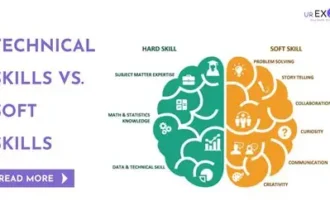
One of the biggest mistakes career changers make is assuming their past experience has no value. In reality, many non-technical skills are highly valuable in tech.
Examples of transferable skills:
Communication and presentation
Project coordination
Problem-solving
Customer support experience
Analytical thinking
Leadership
Time management
Documentation and reporting
For example:
Teachers often excel in technical documentation and training roles.
Finance professionals transition well into data analysis.
Customer service professionals can move into technical support or product roles.
Marketing professionals often shift into UX research or product marketing.
You are not abandoning your past — you are reframing it.
(You will be redirected to another page)
Step 3: Choose the Right Tech Path for You
Tech is not only programming. There are multiple entry points depending on your strengths and personality.
If you enjoy logical problem-solving:
Software Development
Backend Engineering
Cybersecurity
If you enjoy data and analysis:
Data Analysis
Business Intelligence
Data Science (with additional study)
If you are creative and user-focused:
UX/UI Design
Front-End Development
Product Design
If you prefer coordination and strategy:
Project Management
Product Management
Scrum Master roles
If you enjoy troubleshooting and systems:
IT Support
Cloud Operations
DevOps (with experience)
Research daily responsibilities before committing. Watch day-in-the-life videos. Read job descriptions. Talk to professionals.
Clarity reduces wasted time.
Step 4: Build a Learning Roadmap
Once you choose a direction, create a structured plan.
A strong roadmap includes:
Learning core fundamentals
Practicing through projects
Building a portfolio
Applying for entry-level roles
Avoid trying to learn everything at once. Focus on the skills required for your chosen role.
For example:
If transitioning into data analysis:
Learn Excel or spreadsheets
Study SQL
Learn a data visualization tool
Practice with real datasets
If transitioning into web development:
Learn HTML and CSS
Study JavaScript
Build small websites
Publish projects online
Focused learning accelerates progress.
Step 5: Build Real Projects (Even Before Getting Hired)
Experience matters in tech. If you do not have professional experience yet, create it yourself.
You can:
Build personal projects
Offer free work for small businesses
Volunteer your skills
Contribute to open-source projects
Complete real-world simulations
Projects demonstrate applied knowledge. Employers care more about what you can build than how many courses you completed.
Execution builds confidence.
Step 6: Consider Certifications Strategically
Certifications can help career changers signal seriousness and baseline competence, especially in fields like:
Cloud Computing
Cybersecurity
IT Support
Project Management
However, certifications should support hands-on practice, not replace it.
Think of certifications as credibility boosters — not shortcuts.
(You will be redirected to another page)
Step 7: Reposition Your Resume
When transitioning into tech, your resume must reflect your new direction.
Instead of listing only past job titles, highlight:
Transferable skills
Relevant technical training
Completed projects
Tools and technologies learned
Measurable achievements
For example, instead of writing:
“Managed customer accounts”
You could write:
“Improved customer workflow processes and documented system inefficiencies, strengthening analytical and problem-solving skills.”
Language matters. Align your experience with your new goal.
Step 8: Start with Entry-Level or Hybrid Roles
Your first tech job may not be your dream position — and that is normal.
Many career changers start in:
Junior roles
Technical support
QA testing
Internship positions
Apprenticeships
Contract roles
These positions provide professional experience and industry exposure.
Once inside the industry, growth becomes easier.
Entry points matter more than titles.
Step 9: Leverage Networking
Networking significantly increases your chances of breaking into tech.
Strategies include:
Engaging on LinkedIn
Joining tech communities
Attending meetups or virtual events
Asking for informational interviews
Connecting with other career changers
Referrals reduce hiring risk and increase interview opportunities.
Relationships open doors.
Step 10: Prepare for Interviews Strategically
Career changers must prepare to explain their transition clearly.
Be ready to answer:
Why are you moving into tech?
What have you done to prepare?
How does your previous experience help in this role?
Employers look for:
Commitment
Clear direction
Practical preparation
Problem-solving ability
Confidence comes from preparation.
Common Challenges (And How to Overcome Them)
Imposter Syndrome
Many career changers feel “behind.” Remember that your diverse background can be an advantage.
Temporary Salary Adjustment
Some transitions require starting slightly lower before growing quickly.
Information Overload
The tech field is vast. Stick to your roadmap.
Rejection
Breaking into a new industry takes persistence. Treat rejection as feedback, not failure.
Resilience is part of the process.
How Long Does It Take to Transition?
The timeline varies depending on:
Your chosen specialization
Study intensity
Prior transferable skills
Market demand
Many career changers move into entry-level roles within 6 to 12 months of focused preparation.
Consistency is more important than speed.
Final Thoughts
Transitioning into tech from another career is absolutely possible — and increasingly common. The industry values skills, problem-solving ability, and adaptability more than traditional backgrounds.
You are not starting over. You are redirecting.
By identifying transferable skills, choosing a focused path, building real projects, networking strategically, and maintaining persistence, you can successfully enter the tech industry and build a long-term career.
Technology rewards those who learn, adapt, and execute.
Your previous career was preparation — not a mistake.
 Keep an eye on this